DTF Printer Alternative? A Cost Controller's 8-Step Checklist for Mutoh ValueJet 1638UH Mark II and UV Printer Pricing
2026-10-10 · Meera Kulkarni
-
Who This Checklist Is For
-
Step 1: Define the Job Mix Before You Look at Any DTF Printer Alternative
-
Step 2: Build a TCO Model, Not a Purchase Price Model
-
Step 3: Verify the Mutoh ValueJet 1638UH Mark II Garment Printer Specs
-
Step 4: Compare the Real DTF Printer Alternative Options
-
Step 5: Test on Actual Shirts and Rigid Substrates
-
Step 6: Price the Anker eufymake UV Printer E1 — Then Add the Missing Costs
-
Step 7: Lock Down Parts, Service, and Ink Supply
-
Step 8: Run a 30-Day Efficiency Audit
-
Common Mistakes and Cautions
Who This Checklist Is For
I'm a procurement manager at a 45-person garment decoration and sign shop. I've managed our equipment and consumables budget—about $220,000 annually—for 7 years, negotiated with 30+ vendors, and documented every order in our cost tracking system. This checklist is for print service providers, industrial manufacturers, sign shops, and garment decorators who are comparing a DTF printer alternative, a Mutoh ValueJet 1638UH Mark II garment printer, or a small UV unit like the Anker eufymake UV printer E1. There are 8 steps. Follow them in order. Speed, quality, price. Pick two.
Step 1: Define the Job Mix Before You Look at Any DTF Printer Alternative
Start with the actual work, not the machine. Count your jobs over the last 90 days. How many are DTF printer shirt jobs? How many are rigid signs? How many are roll-to-roll banners? If 80% is cotton apparel, a DTF or DTG workflow may fit. If you need both shirts and rigid boards, a hybrid UV printer like a Mutoh may make more sense. Write down: substrates, max size, daily quantity, and required turnaround. Don't skip this. I've watched shops buy a $60,000 printer for a job mix that was 70% one-off tumblers. That's an expensive mistake.
Step 2: Build a TCO Model, Not a Purchase Price Model
Total cost of ownership includes the base unit, setup, freight, training, ink, pretreatment, powder, film, maintenance parts, service contracts, floor space, and downtime. In Q2 2024, I compared two UV flatbed quotes. Vendor A quoted $68,000. Vendor B quoted $61,000. I almost went with B until I added $4,200 for a required chiller, $1,800 for training, and $2,900 for first-year service. Vendor A included those. That's a 10% swing hidden in line items. The lowest quote isn't the lowest cost. It's just the most visible one.
Step 3: Verify the Mutoh ValueJet 1638UH Mark II Garment Printer Specs
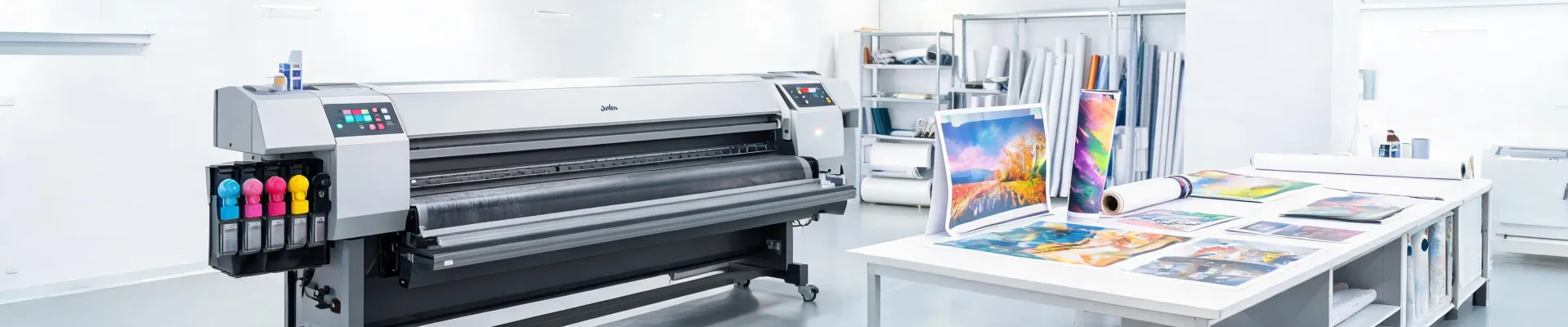
If a listing says Mutoh ValueJet 1638UH Mark II garment printer, verify the configuration. The ValueJet 1638UH Mark II is a UV hybrid printer, not a traditional DTF powder-shaker system. It can print on rigid and roll media, and some shops use UV DTF or specialty inks for garment decoration. But garment use may require pretreatment, specific ink sets, and careful wash testing. Ask the dealer: Which ink set? What substrate profiles? What warranty applies to apparel? Get it in writing. As of January 2025, confirm current specs on Mutoh's official site or with an authorized dealer.
Step 4: Compare the Real DTF Printer Alternative Options
If you run a DTF printer shirt workflow, the main alternatives are UV DTF, DTG, sublimation, and hybrid UV printing. DTF is strong on cotton and blends, with good stretch and no pretreatment in many cases. UV DTF can be efficient for small runs and hard surfaces, but hand-feel and wash durability vary. DTG is good for cotton, but color on dark shirts often needs pretreatment. Sublimation is excellent for polyester, but not for cotton. Hybrid UV gives you rigid and roll capability, but it's a bigger capital step. Efficiency matters here. The shop that can switch between shirt jobs and sign jobs without a second machine has a real advantage. That's not a luxury. That's margin.
Step 5: Test on Actual Shirts and Rigid Substrates
Send real files to a dealer or demo room. Print on the exact shirts you sell: 100% cotton, 50/50, tri-blend, and dark colors. Wash them 5 times, 10 times, 20 times. Stretch them. Rub them. Check for cracking, fading, and hand-feel. For rigid work, test adhesion, scratch resistance, and edge quality. I've never fully understood why some demo prints look perfect but fail in production after three washes. My best guess is that demo rooms use optimized profiles and freshly pretreated blanks. Your shop won't always have that. Test the ugly reality.
Step 6: Price the Anker eufymake UV Printer E1 — Then Add the Missing Costs
The Anker eufymake UV printer E1 price gets attention because it's a desktop UV option, not a production floor machine. As of January 2025, check Anker's official store for current pricing, bundles, and shipping. But don't stop at the sticker. Add ink, maintenance, jigs, ventilation, and labor. A $4,000 desktop UV printer can be great for samples, personalization, or low-volume gifts. It won't replace a 64-inch Mutoh for daily sign production. If you compare it to a DTF printer alternative, compare throughput, not just price. A cheap machine that runs one shirt every 10 minutes isn't cheap if you need 200 shirts by Friday.
Step 7: Lock Down Parts, Service, and Ink Supply
Call the dealer's service department. Ask how fast they can ship dampers, wipers, cap tops, and printheads. Ask if they stock the ink you need locally. Ask what happens if a printhead fails on a Friday afternoon. When I audited our 2023 spending, 18% of our 'printer budget overruns' came from rush shipping on inks and emergency service calls. We now require every vendor quote to include a parts list with lead times and prices. For Mutoh, confirm authorized service coverage in your area. For any DTF printer alternative, confirm that film, powder, and ink aren't single-source. Never accept 'compatible with all third-party inks without issues' as a warranty statement. Get the approved ink list.
Step 8: Run a 30-Day Efficiency Audit
Before you sign, run a 30-day test with your top three job types. Measure labor minutes per job, rework rate, ink cost per print, and turnaround time. The efficient process wins repeat orders. Not always the cheapest. I built a cost calculator after getting burned on hidden fees twice. It tracks every consumable and every labor minute. There's something satisfying about cutting a multi-step DTF shirt workflow down to one UV DTF print-and-laminate pass. After all the spreadsheet stress, finally seeing fewer touches and fewer errors—that's the payoff.
Common Mistakes and Cautions
- Buying on purchase price alone. TCO is the real number.
- Assuming a Mutoh ValueJet 1638UH Mark II garment printer is plug-and-play for shirts. Verify ink, pretreatment, and warranty.
- Comparing the Anker eufymake UV printer E1 price to a production Mutoh without comparing throughput.
- Forgetting ventilation, floor space, and power requirements.
- Trusting a demo print without a wash test.
- Skipping the parts and service lead-time check.
One more thing. Honestly, I'm not sure why some dealers quote service response in hours while others quote in days. My best guess is that it comes down to local technician coverage and how much buffer the dealer keeps on hand. Ask for the service level in writing. Then decide. The checklist won't make the decision for you. It just makes the hidden costs visible.
Meera Kulkarni
Meera Kulkarni is a textile-printing equipment analyst covering DTF, DTG, dye-sublimation, and eco-solvent printers with their pretreatment, powdering, curing, pressing, and finishing workflows. She uses ISO 105-C06 laundering tests for applicable printed textiles while tracking colour difference, ink laydown, transfer temperature, dwell time, curing profile, washfastness, nozzle reliability, media tension, and production yield. Her process guides help decorators, apparel producers, and print shops select equipment, inks, films, fabrics, and operating windows for repeatable output.