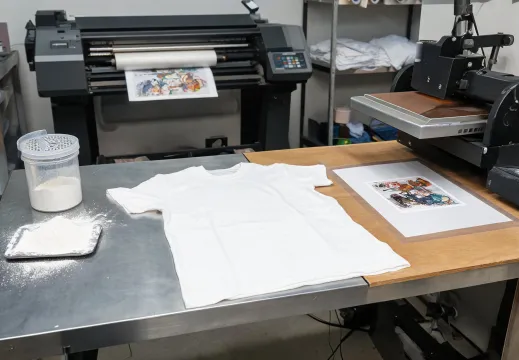
Apparel Decoration
DTF and DTG discussions focus on white ink circulation, hand feel, heat press settings, garment mix, and the balance between short custom runs and repeat orders.
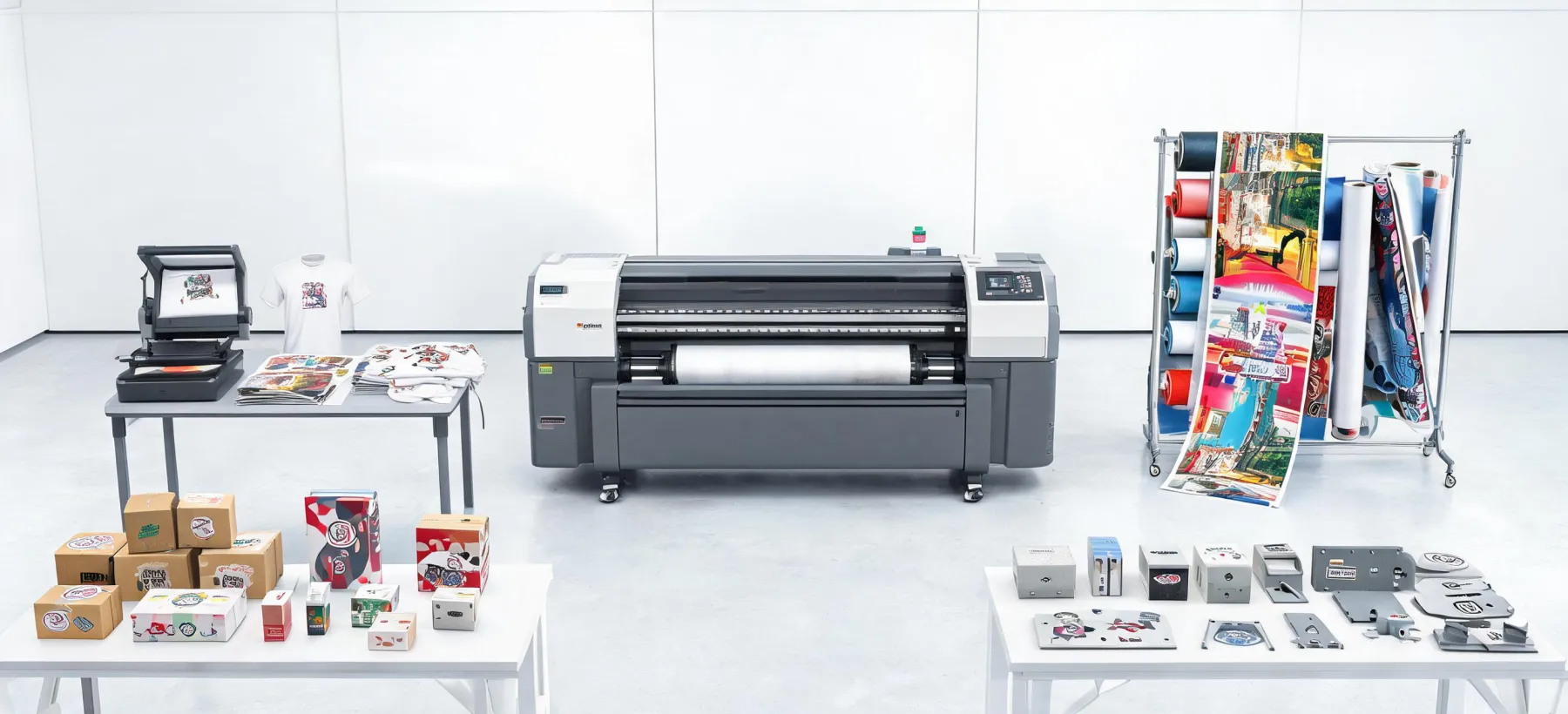
Each application brings a different mix of substrate handling, ink behavior, finishing, and operator habit. Mutoh application planning keeps those differences visible before the buying team chooses a printer category.
The same print shop may handle transfers in the morning, retail signage after lunch, and rigid samples before a client meeting. These application cards separate the common concerns so a demo can focus on the right evidence.
DTF and DTG discussions focus on white ink circulation, hand feel, heat press settings, garment mix, and the balance between short custom runs and repeat orders.
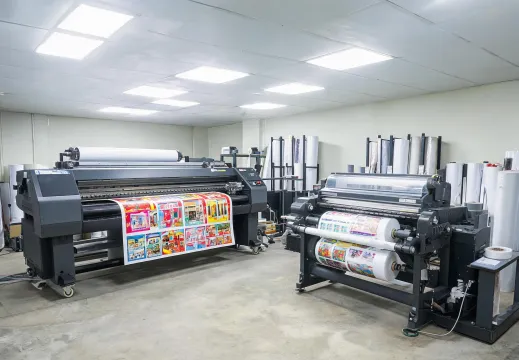
Roll-to-roll work needs predictable feeding, drying time, contour cutting, lamination coordination, and color continuity across banners, decals, and retail panels.
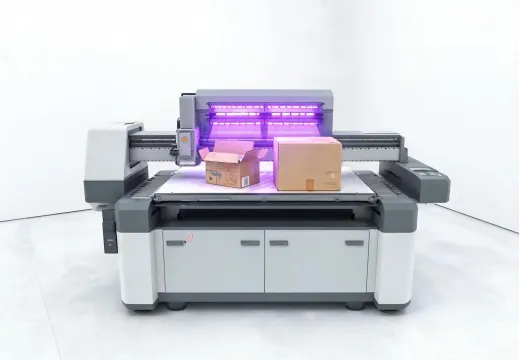
Prototype and short-run packaging work benefits from direct-to-substrate UV printing, stable registration, quick fixture decisions, and clear expectations for finish durability.
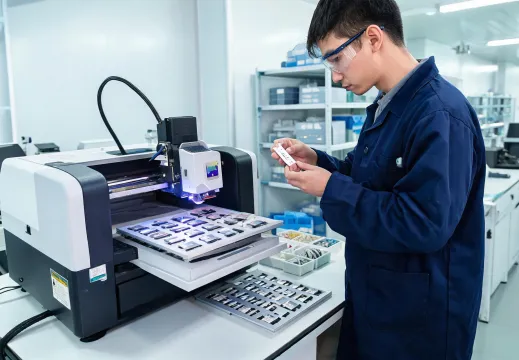
Component labeling and specialty parts require repeatable jig setup, adhesion review, data handling, and maintenance routines that fit a more controlled production cell.
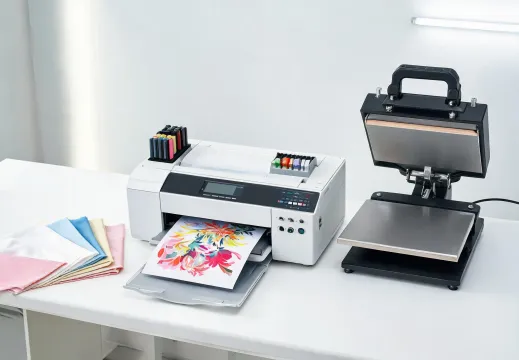
Sublimation work depends on transfer paper, fabric choice, heat profile, color density, and finishing steps that must be tested together instead of separately.
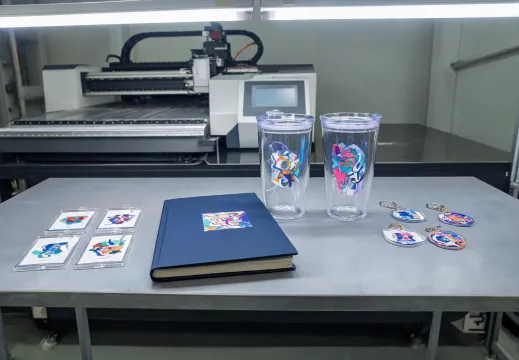
Small-format promotional output often needs mixed materials, fixture planning, color approval, and quick changeover between personalized items and repeat batches.
A useful printer conversation begins with substrate, ink, finishing, and daily order rhythm. Share the application details and Mutoh can help prepare a focused path for model comparison, demo samples, and support planning.
Request Application Guidance